Unfair Dismissal in Armenia: What You Need to Know

Diana Movsesyan
Madika | Founder & Director
4 min read
What should you do if you have been dismissed from your job without justification? Here are the key questions about unfair dismissal in Armenia that follow from it:
- When dismissal is lawful
- When and how you can claim compensation
- What evidence you need
- What "unfair dismissal" means
What Is Unfair Dismissal in Armenia?
In legal terms, unfair dismissal (also known as wrongful dismissal) is a situation where an employment contract is terminated without the lawful grounds set out in the Labor Code of the Republic of Armenia (ՀՀ աշխատանքային օրենսգիրք).
If we roughly group the grounds for terminating an employment contract listed in Article 109 of the Labor Code, they fall into 4 groups:
- By agreement of the parties or based on the results of the probation period
- At the employee's initiative
- At the employer's initiative
- Other grounds not covered by the groups above
This article deals with dismissal at the employer's initiative (group 3).
When an Employer Can Dismiss an Employee
Article 113 of the Labor Code gives an exhaustive list of the following grounds for terminating an employment contract:
- liquidation of the employer
- reduction in the number of employees and (or) staff positions
- the employee's unsuitability for the position held or the work performed
- reinstatement of an employee in their former job
- the employee's regular failure to perform their assigned duties without good reason
- loss of trust in the employee
- the employee performing their work duties under the influence of alcohol, drugs or psychoactive substances
- the employee's absence from work for an entire working day (shift) without good reason
- refusal or evasion of a mandatory medical examination
- a foreign national's residence status ceasing to be valid or being declared invalid
When Dismissing an Employee Is Prohibited
An employer cannot dismiss an employee who:
- is temporarily unable to work (there are exceptions provided by law)
- is on leave, for the duration of that leave
- is pregnant, from the day they submit a pregnancy certificate until 1 month after the end of their maternity leave
- is caring for a child under 1 year old (there are exceptions)
- is taking part in a strike (subject to the established preconditions)
- is carrying out assignments from the state or local self-government bodies
- is absent because of a natural disaster or emergency
- has not come to work in order to arrange care for a child under 12 while school holidays are unexpectedly rescheduled or granted
What Cannot Be a Lawful Reason for Dismissal
- membership in a trade union or taking part in its activities
- acting as an employee representative
- raising claims over violations of the law or of a collective agreement
- discriminatory treatment
- the employee's personal beliefs or political affiliation
- age, except in cases provided by law
What Evidence You Need
- the employment contract and its annexes
- the employer's order (internal legal act) terminating the employment contract
- official correspondence, messages, minutes of meetings
- data proving the work was done (traces in online systems, assignments, KPIs/reports)
- witness statements, audio recordings (within the limits permitted by law), photos
Unfair Dismissal Compensation: When and How to Claim It
- first, try to negotiate with the employer, presenting the facts and your claim
- apply to the relevant authorities or to the court, demanding that the consequences of the unlawful dismissal be remedied and that you be compensated (for example, by being paid your average salary within the limits set by law)
- consult a lawyer to assess your strategy and the deadlines correctly
What to Do If You Believe Your Dismissal Was Unfair
- Gather all the evidence: contract, correspondence, orders
- Record the facts: dates, names of the people involved, the sequence of events
- Consult a lawyer as soon as possible: time is often decisive
- Choose a strategy to protect your rights: negotiation, a formal complaint, a lawsuit
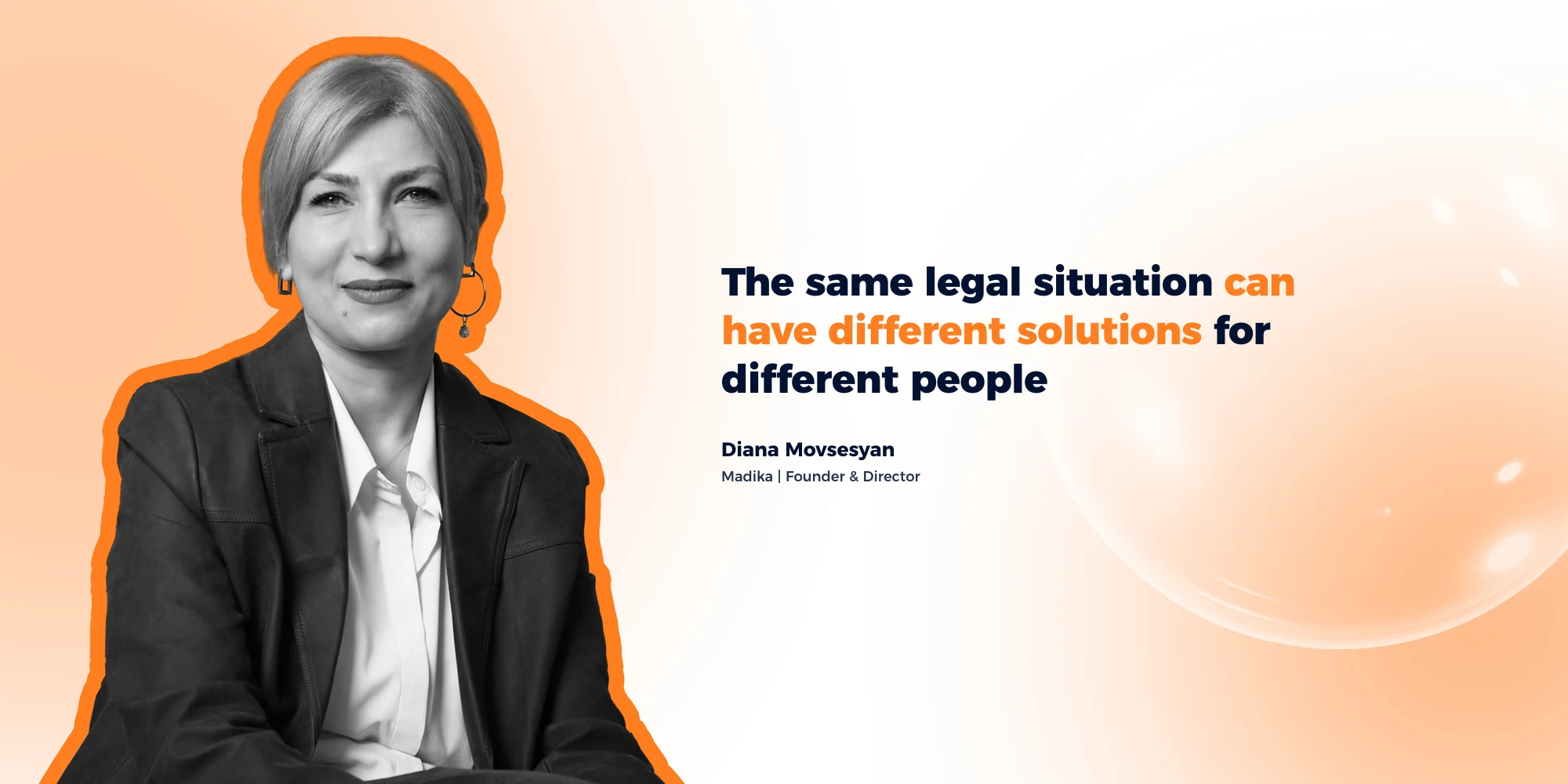
The same legal situation can have different solutions for different people. There are no "one-size-fits-all" solutions, and a solution that worked in an acquaintance's case, however similar it may look at first glance, is not necessarily the best one for yours.
In a case of unfair dismissal, the employee can protect their rights in the manner established by the labor legislation of the Republic of Armenia.
Read also about the procedure for terminating employment in Armenia and about probation period pay. And if you are looking for new opportunities, see the jobs in Armenia page.
This article was published by HR Drone to raise legal awareness among employees and employers, to support fair employment relationships and to help build a working environment based on trust.
This article is for information purposes only. It is not legal advice and cannot replace it.