Psychological Safety in the Workplace: Pros and Cons

Nana Babayan
HR Manager, Art Production
3 min read
As Amy Edmondson notes in her book "The Fearless Organization":
"Successful teams make mistakes, but they don't stay silent. They discuss, analyze and solve any problem together."
In modern organizations, technology is advancing at lightning speed, yet the core human issues remain the same:
- the need to be heard,
- respect,
- trust,
- the freedom to speak your mind.
All of these values come together around one central idea: psychological safety in the workplace.
What Is Psychological Safety?
This is not just a nice-sounding phrase. Psychological safety is an environment in which employees can speak openly, make mistakes, learn and grow without fear.
As an HR professional who leads a team of 200 people, I can say with confidence that psychological safety is one of the key components of a healthy team and a stable organization.
When people are not afraid of criticism or of losing their jobs, their creative potential multiplies. The team becomes a collaborative, flexible, living organism, capable of tackling any challenge.
It is a chemical process in the brain: the level of cortisol, the stress hormone, goes down, and oxytocin, the trust hormone, goes up. By the way, if only cortisol is rising in a team, the manager needs to become a chemist, not a leader.
Here are the positive and negative outcomes an organization can expect when the level of psychological health in the workplace is stable or unstable:
Pros of Psychological Safety in the Workplace
Creativity and Innovation
Employees feel free to speak up and propose new ideas.
Teamwork and Collaboration
Safety encourages healthy communication and a willingness to support one another.
Faster Learning and Growth
Instead of being hidden, mistakes are analyzed, which drives both individual and team development.
Less Stress, More Engagement
People are more satisfied with their work and with the organization's culture.
Cons
Unlimited Freedom Without Accountability
Some employees may take advantage of the open environment and weaken discipline.
False Harmony
People avoid real problems so as not to "spoil the atmosphere," which often turns into "toxic silence".
Declining Discipline
Without clear boundaries, the team can lose its sense of direction.
How to Keep the Balance
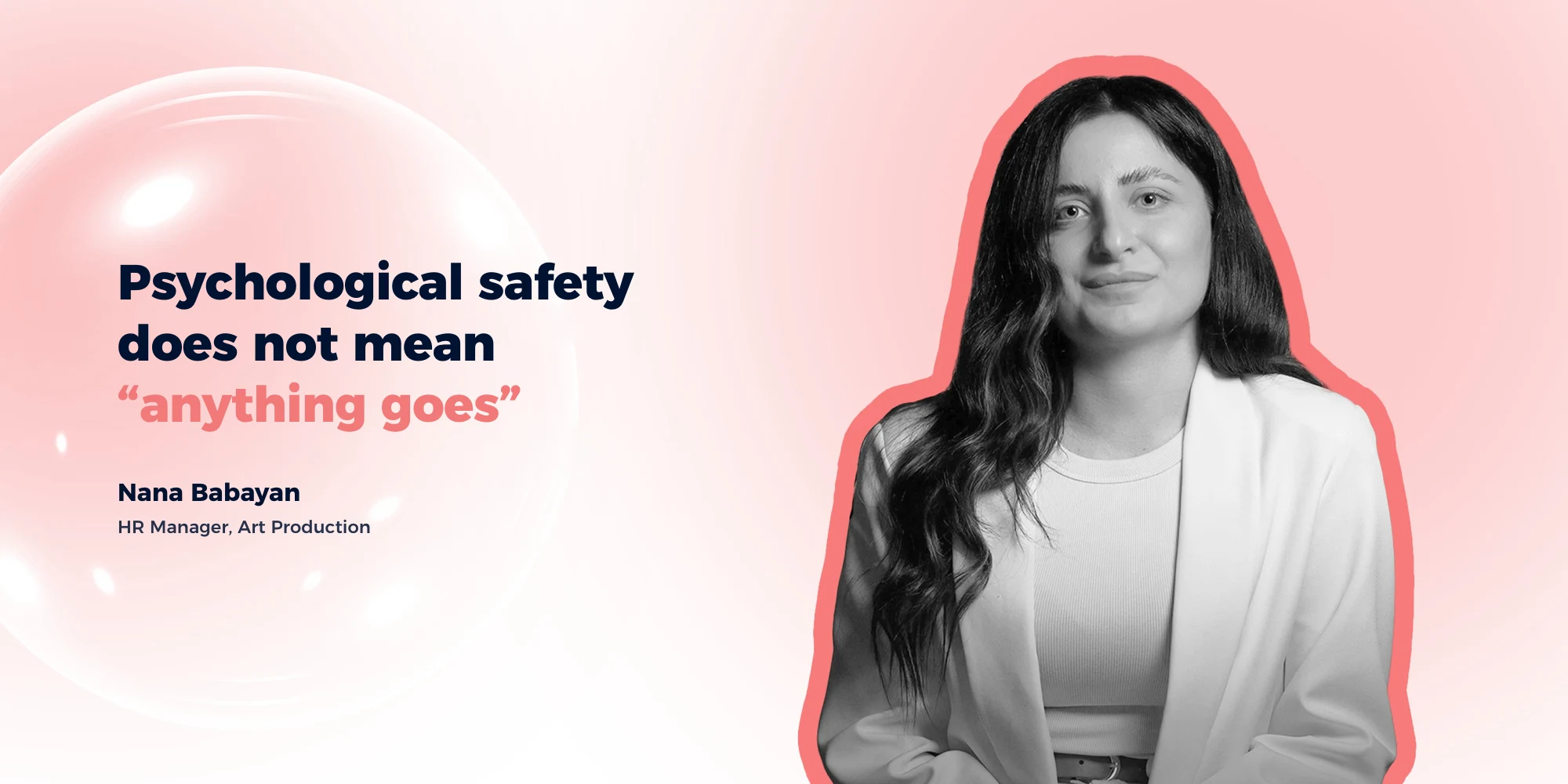
Psychological safety does not mean "anything goes." It has to come with clear boundaries, a set of values and accountability. It is systematic work driven by the leader, not just an atmosphere guided by emotions.
A work culture in which every employee is valued as an individual and their real needs are met produces not only good results but also happy, confident and healthy employees.
Conclusion
Psychological safety is a strength of leadership, not something that undermines it, and if we want flexible, growing and dedicated teams, this is where we have to start.
Psychological safety creates an environment in which employees can express themselves freely and trust one another.
Read also about stay interviews. If you are building a team, take a look at the HR Drone for Companies page.
This article was published by HR Drone to help build a culture of psychological safety, strengthen trust within teams and maintain healthy working relationships.