ID Card in Armenia 2026: How to Apply via HayPass

HR Drone Analytics Team
Data & Analytics, HR Drone
10 min read
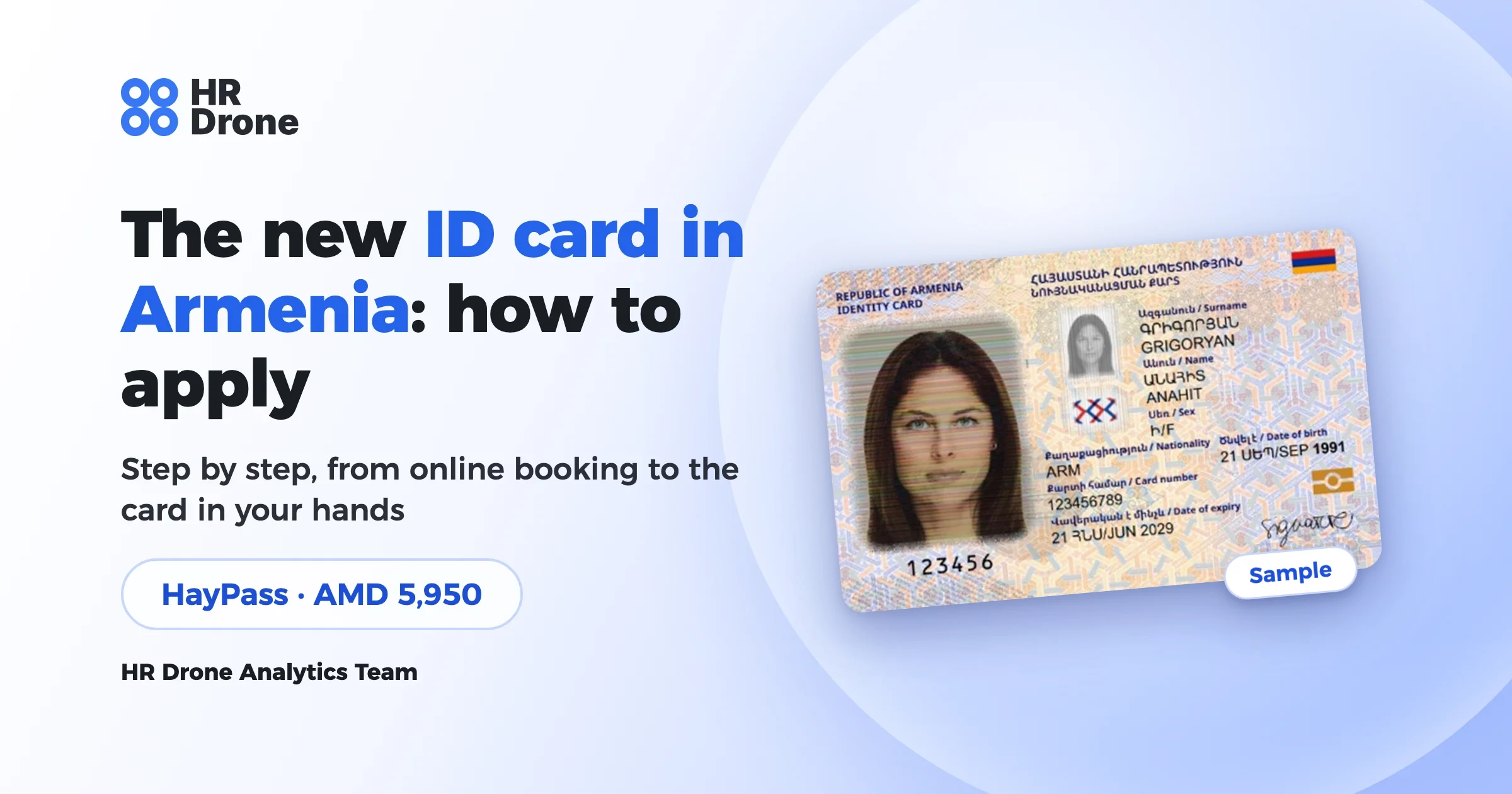
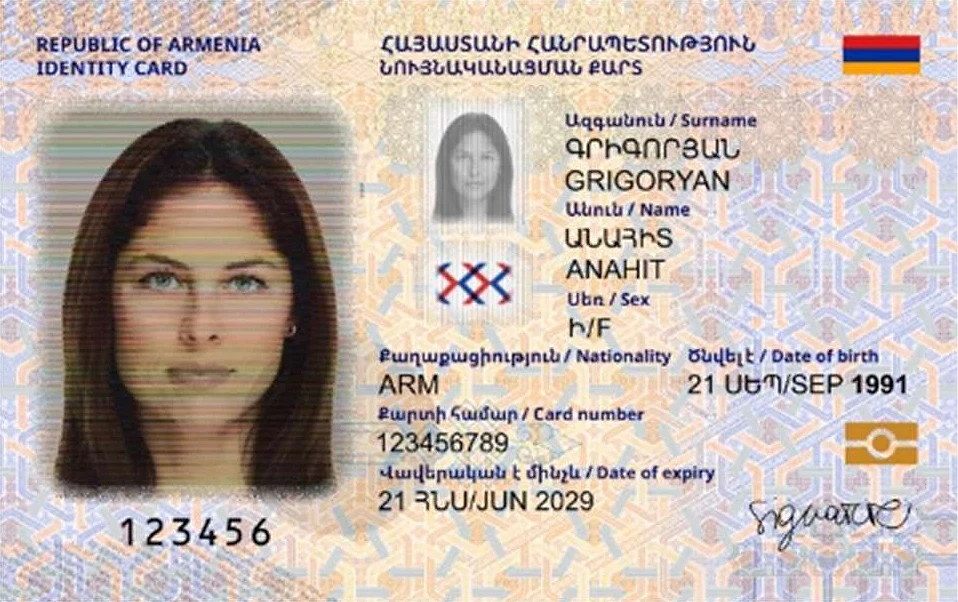
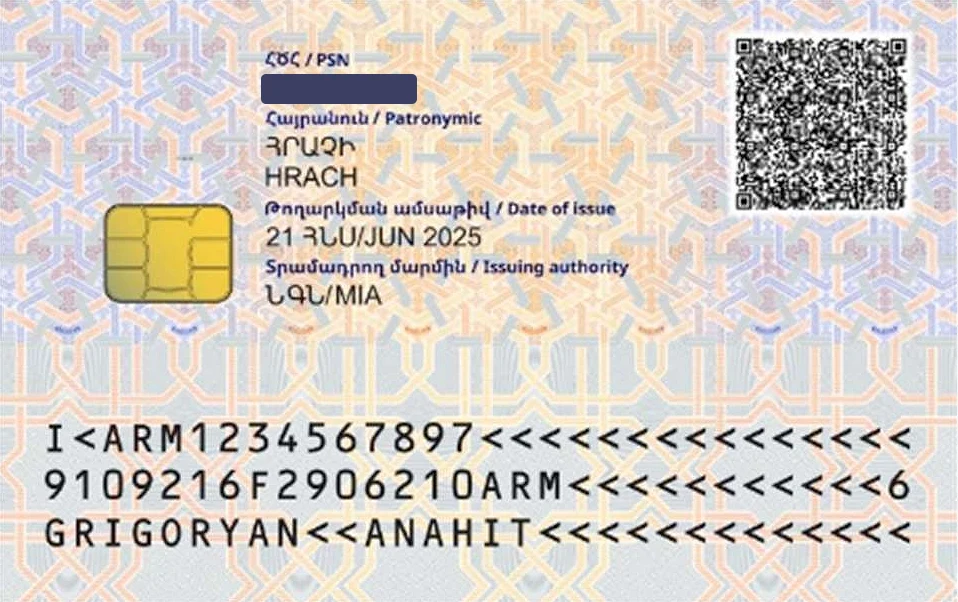
From November 1, 2026, the ID card in Armenia (նույնականացման քարտ) and the passport are issued only at HayPass service points, and the old passport offices have closed. Every application now starts with online pre-registration. This guide walks you through applying for the new biometric ID card step by step: what to prepare, how much it costs and when the card is ready.
In short:
- Fee: AMD 5,950 (state duty).
- Where to apply: pre-register at citizen.idmis.haypass.am, then visit the service point you chose.
- Timing: the card is ready on the 14th working day after you give your biometric data.
- Validity: 5 years at any age.
- Collection: in person, at the same service point where you gave your data.
What changed on November 1
The Law on Identity Documents (ՀՕ-210-Ն, «Անձը հաստատող փաստաթղթի մասին») entered into force on October 30, 2026, and Government Decision No. 1583-N of October 29, 2026 (ՀՀ կառավարության որոշում) sets the procedure. Since the law took effect, only new-style documents are issued.
HayPass CJSC is the private partner of the Ministry of Internal Affairs in a public–private partnership: its service points collect biometric data and print and hand over the documents. The decision to issue or refuse a card is still made by the Migration and Citizenship Service of the Ministry of Internal Affairs (Միգրացիայի և քաղաքացիության ծառայություն, MCS).
Note: if a website says the ID card costs AMD 3,000, the passport AMD 1,000, or that you book through appointment.e-gov.am, it describes the old system, which stopped working on November 1, 2026.
Old-style ID cards and passports stay valid until the expiry date printed on them, so there is no need to replace yours right away.
Who must have an ID card?
- From age 16, every citizen must have an ID card.
- Between 6 and 16, an ID card is optional.
- A passport is optional at any age and is what you need to travel abroad. A citizen aged 16 or over gets a passport only if they have an ID card. Details are in our guide to the new biometric passport.
How much does it cost and how long does it take?
According to Nelli Davtyan, head of the MCS, AMD 5,950 exactly matches the cost price offered by the private company that won the tender. She also said the state budget pays for the ID card of:
- welfare recipients with a vulnerability score of 130 or more,
- citizens aged 16 or over who have never had a passport and are getting their first ID card.
These benefits apply to the ID card only, not the passport. Minister of Internal Affairs Arpine Sargsyan said a decision on further eligible groups is expected in January–February 2027.
Expedited service
For an extra fee, the card can be ready faster after the MCS decision: within 24 hours in Yerevan (excluding Sundays and public holidays) and within 48 hours elsewhere (excluding Saturdays, Sundays and public holidays). HayPass sets the extra fee, which cannot exceed three times the state duty: for the ID card, AMD 17,850 (our calculation). As of November 1, 2026, the expedited price has not been published.
What to prepare before you apply
- Email address and phone number. Both are mandatory, because every notification arrives by email or SMS.
- A payment card. Payment is cashless only and is made before your visit.
- An e-signature, ideally. Logging in through the YesEm («Ես եմ») national identification platform is the fastest route, and your details are filled in automatically. If you are 16 or over and have had an ID card before, you must apply this way (if that is impossible, you can enter your details by hand).
- The original of an identity document. Bring your current passport or ID card to the service point. If you are applying for the first time, bring any identity document you have (for a child under 16, for example, the birth certificate).
If you have never had an Armenian passport or ID card, you must visit the MCS before pre-registering so it can confirm your identity. An old-style passport or ID card, even an expired one, counts as having had one. This requirement lasts until HayPass gives the MCS access to the video surveillance at its service points, and no later than March 31, 2027.
How to apply for an ID card in Armenia: step by step
Step 1. Open the pre-registration website
Go to haypass.am and click Apply Here («Դիմել»), or open citizen.idmis.haypass.am directly. Click Start Pre-Enrollment («Սկսել նախագրանցումը»), choose Citizens («Քաղաքացիներ»), then the ID Card document type («Նույնականացման քարտ»), click Apply («Դիմել») and choose the service type that fits your case. If you also want a passport, choose the combined application for an ID card and passport («Համակցված դիմում․ նույնականացման քարտ և անձնագիր»).
Step 2. Identify yourself
Log in through YesEm or type in your personal details, and add your phone number and email address. The system automatically checks your details against the State Population Register. If they don't match, you can't finish the registration and need to contact the MCS.
Step 3. Choose the service point, date and time
Choose the service point where you want to give your biometric data, then a date and time from the available slots. If you want the expedited service, select it at this step. If you stop halfway, the platform keeps your details for up to 7 days.
Step 4. Pay online
The platform calculates the amount (the state duty, plus the expedited fee if you chose it), and you pay online.
Step 5. Wait for the application check
Before your visit, HayPass checks your application. If everything is in order, the platform issues a receipt with the service point's address, the date and time of your visit, the payment details and your application number, and a QR code for the visit arrives by email. After that, you can still change the service point, date or time, or cancel.
If it finds a mismatch in your details, you get an email or SMS and have 30 days to fix it. If you don't, the application is cancelled and the state duty is refunded. If the card itself is refused, the state duty is not refunded.
Step 6. Visit the service point
On the booked date and time, go to the service point with the original of your identity document. Staff take your photo, your fingerprints (from age 6) and your signature (from age 16), and give you a receipt. From that moment you count as having applied. If you can't make it at the booked time, choose a new date and time on the pre-registration platform.
Step 7. Collect the card and set your PINs
On the 14th working day after you gave your biometric data, you get a notification by email or SMS. You can collect the card only at the service point where you gave your data. At handover you create two PINs, one for digital identification and one for your e-signature, and the system generates a PUK code, which is used to change the PINs.
You hand your old card to the staff member, who returns it to you hole-punched. The new card takes effect when it is handed to you. If you don't collect it within 12 months of the notification, it becomes invalid.
HayPass service points
In the first phase, 14 service points are open: 2 in Yerevan and 12 in the regions. The Yerevan offices are open from November 1, 9:00–22:00, and the regional ones from November 2, 9:00–18:00. In Yerevan you can also give your biometric data and collect documents on Saturdays and Sundays, with at least one office open on Sundays. The network is planned to reach 23 service points by the end of the first quarter of 2027.
When you pre-register, you can choose any service point, but you collect the card at the same one.
A child's ID card (ages 6 to 16)
- For children under 16, the legal representative applies, and only through YesEm. The system takes the parent–child link from the state registers; a guardian or custodian uploads proof of their authority if needed.
- If the child has never had an Armenian passport or ID card, the first-time rule applies: visit the MCS before pre-registering.
- At the service point, staff take the child's photo and fingerprints. The identity document can be the birth certificate or the child's passport.
- The finished card can be collected by the child or their legal representative.
If your card is lost or stolen
Report the loss or theft through the same online platform (abroad, you can also report it to an Armenian diplomatic mission), and the MCS will declare the card invalid. Apply for a new card on the same pre-registration website. If you later find a card that was declared invalid, you must hand it in within 3 days.
Why this matters for your job
From age 16, the ID card is a mandatory document, and employers ask for an identity document when you sign an employment contract. The second PIN of the new card is your e-signature: with it you can sign documents online and use state e-services, including filing the annual income declaration.
Frequently asked questions
Do I have to replace my old ID card with the new one?
No. An old-style ID card stays valid until the expiry date printed on it. You apply for the new card when the old one expires, is lost or is damaged.
How much does the new ID card cost?
The state duty is AMD 5,950. According to the head of the Migration and Citizenship Service, the card is free for welfare recipients with a vulnerability score of 130 or more, and for citizens aged 16 or over who have never had a passport and are getting their first ID card.
How long is the new ID card valid?
The new ID card is valid for 5 years at any age. It takes effect when it is handed to you.
What if I forget my ID card PIN?
To restore a PIN, visit a HayPass service point. If you lose both the PIN and the PUK codes, they cannot be restored: you get new codes only with a new card.
Can someone else collect my ID card?
Adults collect the card in person. A child's card can be collected by the child's legal representative, such as a parent. The card is handed over only at the service point where the biometric data was taken.
This information is accurate as of November 1, 2026. Sources: the Law on Identity Documents (ՀՕ-210-Ն), Government Decisions No. 1581-N and No. 1583-N of October 29, 2026, haypass.am, and public statements by MCS head Nelli Davtyan and Minister of Internal Affairs Arpine Sargsyan. Fees and procedures may change, so check the pre-registration website before you apply.